What if better health could begin with something we grow?
Sometimes, meaningful change starts with something small. A seed, a plant – or a flower.
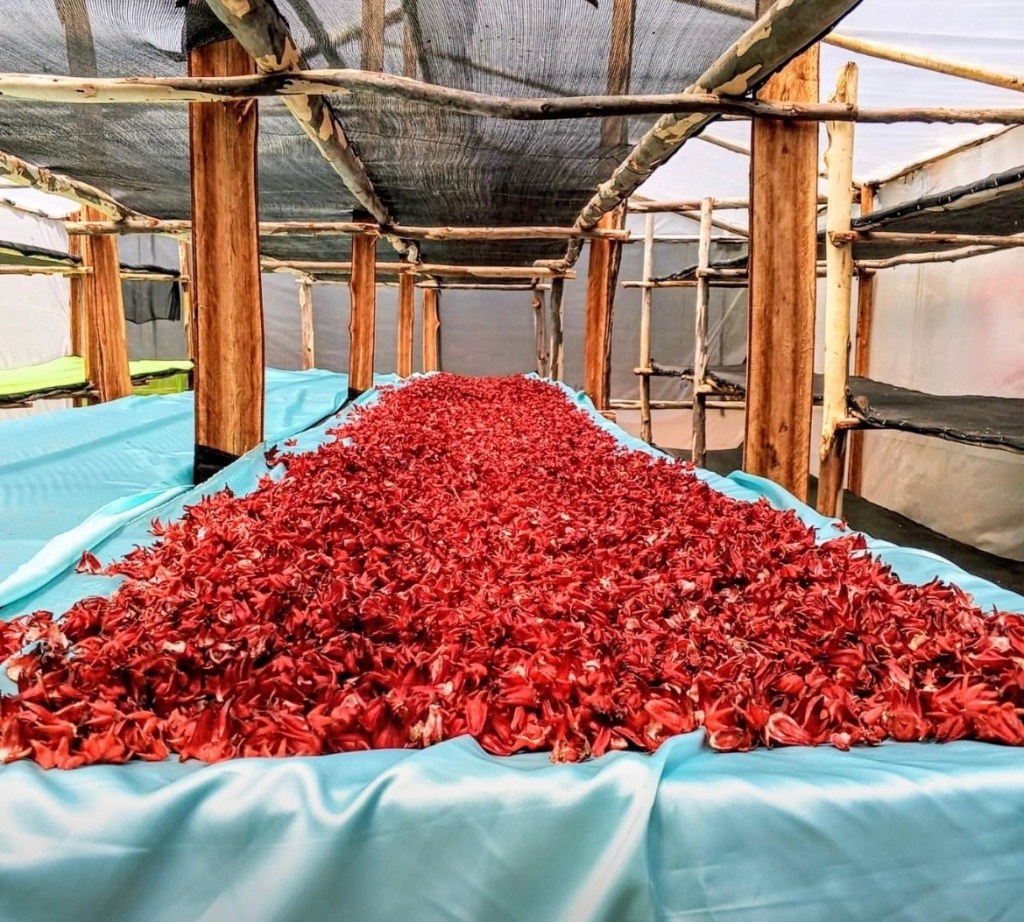
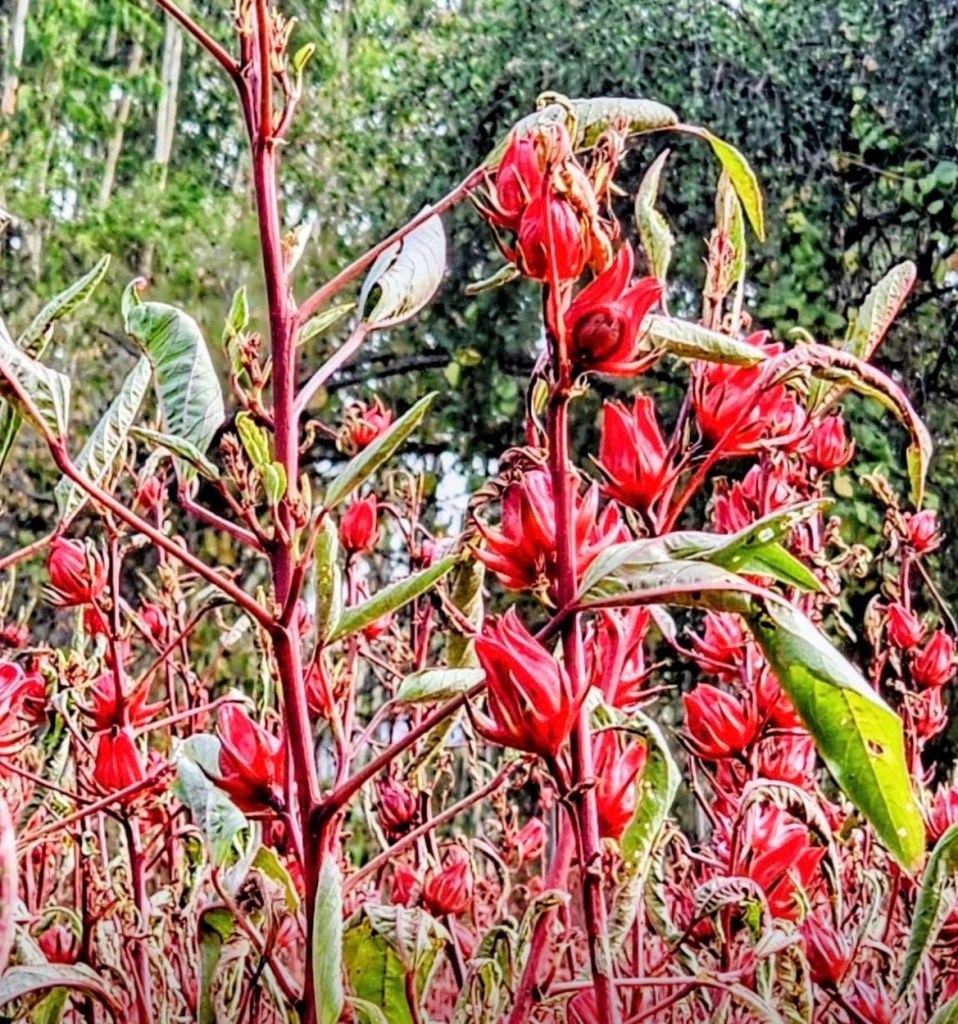
At Tendo Social Development Group in Kenya, hibiscus is beginning to grow, along with an idea that goes far beyond cultivating a plant.
Hibiscus is more than a beautiful flower. It is widely used in teas and other beverages, is rich in antioxidants and is associated with potential health benefits, including supporting healthy blood pressure.
But the Growing for Health initiative is about much more than the health properties of a plant.

Together with local farmers, Tendo aims to expand hibiscus cultivation, encourage healthier food and drink choices, and create new opportunities for sustainable livelihoods.
Because health, agriculture and economic opportunity are closely connected.
This is what makes the approach particularly valuable: health is not addressed in isolation but as part of a wider system.
Promoting healthier lifestyles also means looking at which foods are locally available and affordable, what income opportunities people have, and how communities can make better use of their own resources.
A single plant can therefore create multiple benefits: a new agricultural product, an additional source of income, healthier choices for local communities and new perspectives for farmers.
This is also what systemic thinking looks like in practice: not addressing one challenge in isolation, but connecting different elements and creating solutions that reinforce one another.
At SCN Kenya, these kinds of integrated approaches are at the heart of collaboration between local organisations, communities and partners.
Because sustainable change does not come from isolated activities or short-term projects. It happens when people, knowledge, resources and local initiatives come together.
Good for our health. Good for our farmers. Good for our communities.
Sometimes, a bigger transformation really can begin with a small flower.

