Optimization looks different—depending on where you stand.
Series Beyond tech: From unseen lives to untapped value—rethinking sustainable investment #4
My professional life moves between two very different realities.
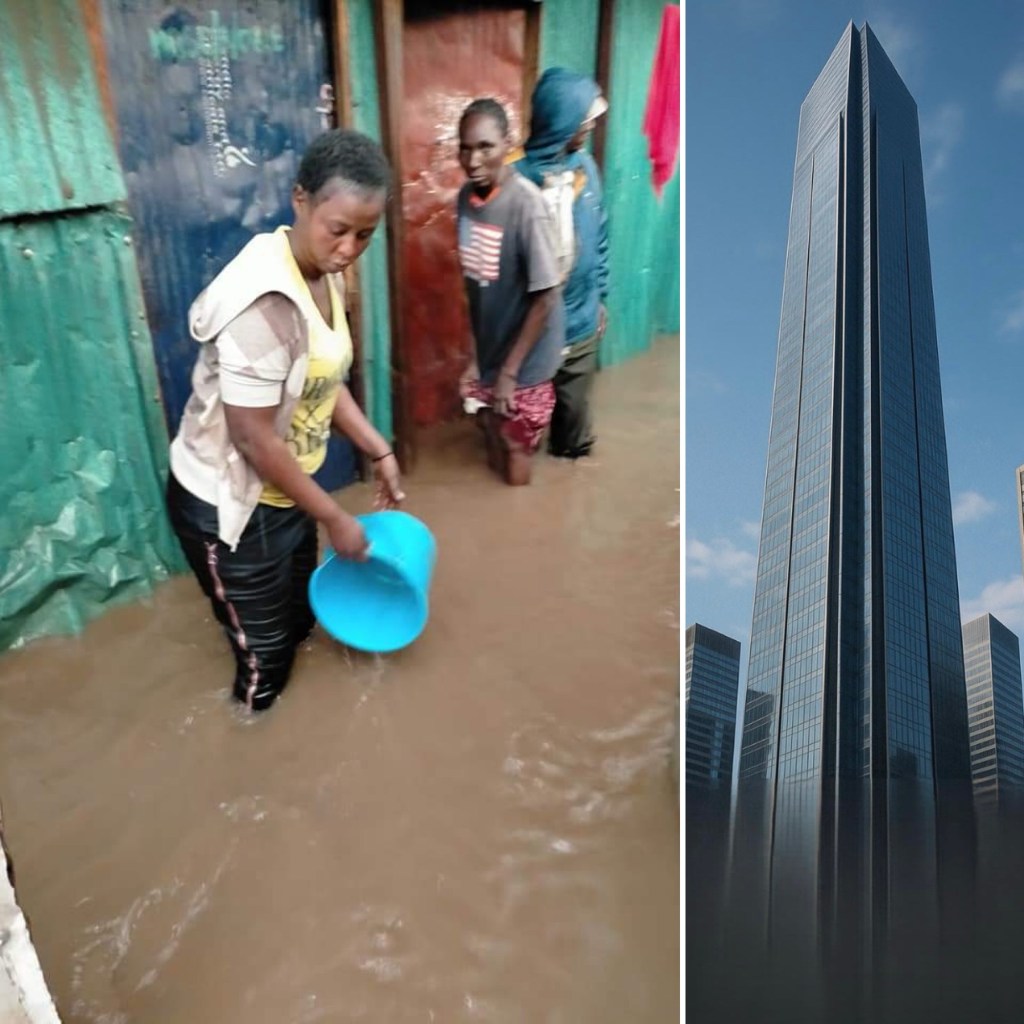
On one side, I work in the corporate world—where every day, I see posts about optimization, high performance, leveling up, being “the best version” of everything.
On the other side, I spend time in communities in Kenya—where people live at the poverty line, where schools collapse from poor construction, where access to healthcare, food, and basic dignity isn’t optimized, it’s simply unavailable.
And the contrast keeps asking me one question:
What if “being the best” is not always the most responsible goal?
We invest time and budget in flawless presentations, finely tuned strategies, and perfectly branded events. But could 80% sometimes be enough?
Could we stop short of polish and perfection—not because we’re cutting corners, but because we’re opening space for impact?
Because that final 20%—which we often use for refinement—could instead help restore a broken classroom, provide clean water, or ensure emergency healthcare in places where lives depend on it.
What if real optimization isn’t squeezing out every drop of performance, but redistributing excess where it’s urgently needed?
This isn’t an anti-growth message. It’s a call for ethical clarity.
A call to expand our definition of excellence to include justice.
There are thousands of community-based places around the world—like the ones I work with in Kenya—where the smallest corporate shift could mean the world.
Where in our pursuit of optimization could “good enough” do more good—for more people?


Wonderful and amazing jobSent from my iPhone
LikeLiked by 1 person