Many NGOs, but also governments and many companies invest in social and social entrepreneurial projects. Around the globe. Also in Africa, in informal settlements, in farming, in education. Digital platforms, health insurances, tree planting and water projects, women health projects of various kinds … all good. But how much time do we reallly invest to understand the communities’ needs first? Do we understand what e.g. underserved communities see as their biggest needs? Or is it rather us to come, see and decide what is needed – from our perspective. Because it fits to our strategies, focus areas, expectations …
Too much money was spent in the past decades, too many projects failed, partly more than 70% after five years where “gone”.
What if we had not just done the right things, but also in the right way? Something is wrong and we have to work on it. Probably „the failure“ starts already with our project planning:
How much time do we really invest in understanding our target groups and their wants?
I believe that understanding and listening first is key and needs much more attention. Because it’s trust, relationship building, understanding the right sequence of activities at the right time with the right partners, the holistic approaches to solve big issues that makes at the end also a significant difference on if it creates a real impact or not. I’m not talking about outreach in terms of numbers, I’m talking about really making a positive change possible together WITH the vulnerable. And this depends a lot of our target groups – in this case underserved communities – if they will adopt and “own” it or not, develop it further, build on it or not.
How you can start to build trust and listen
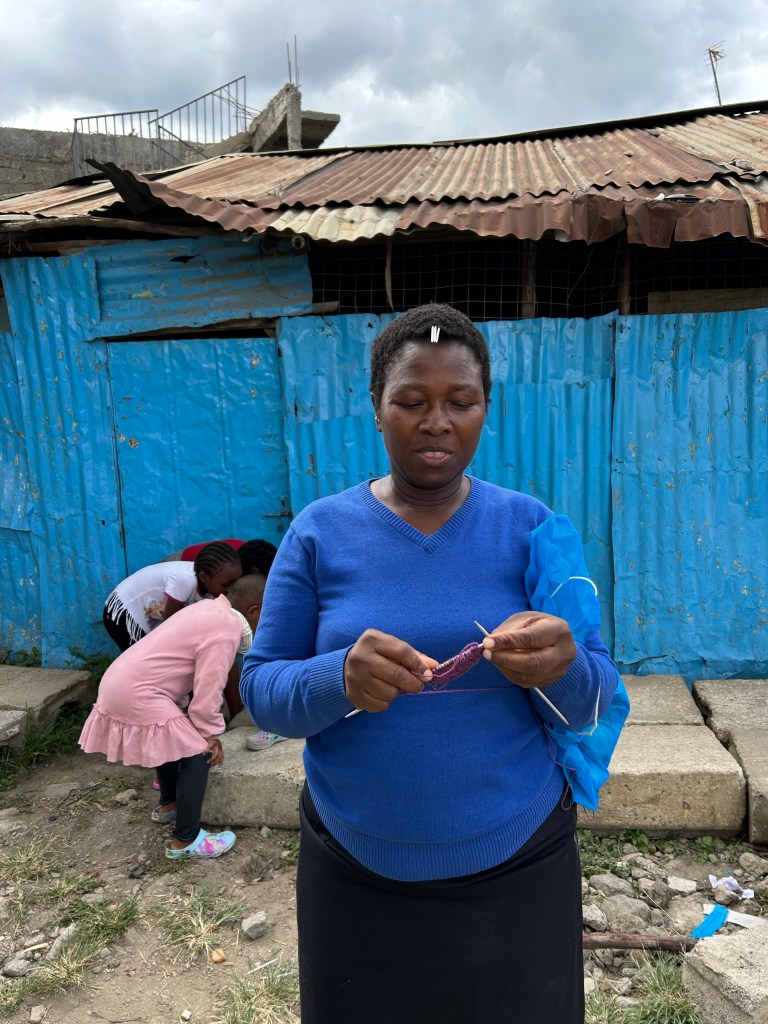
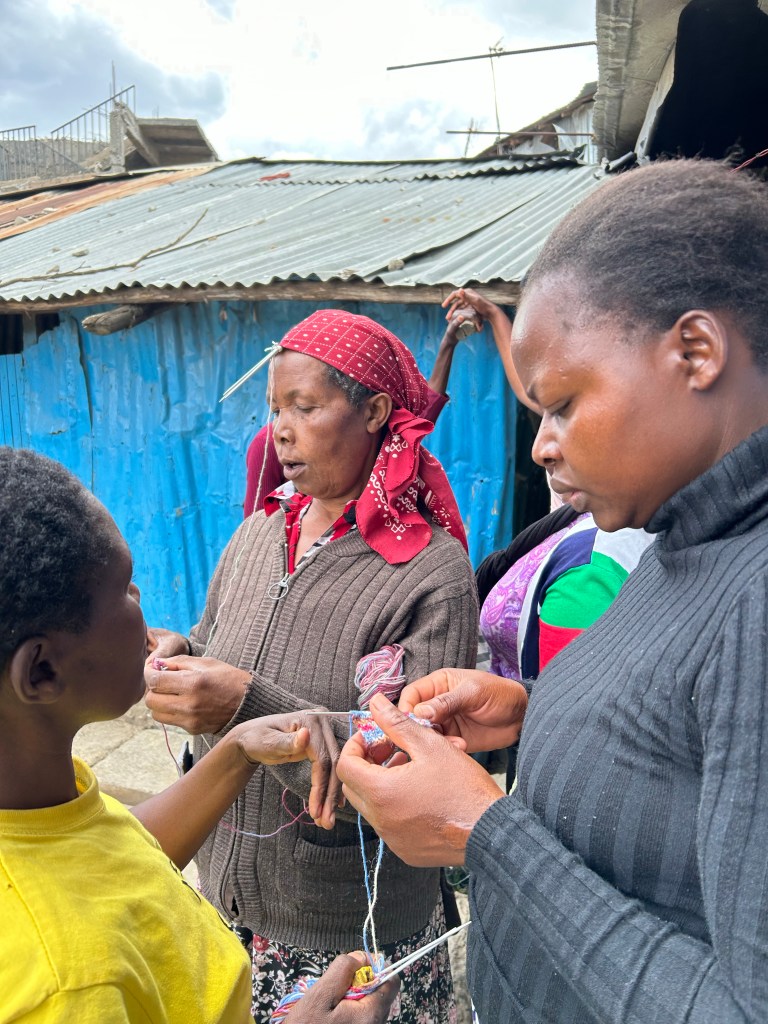
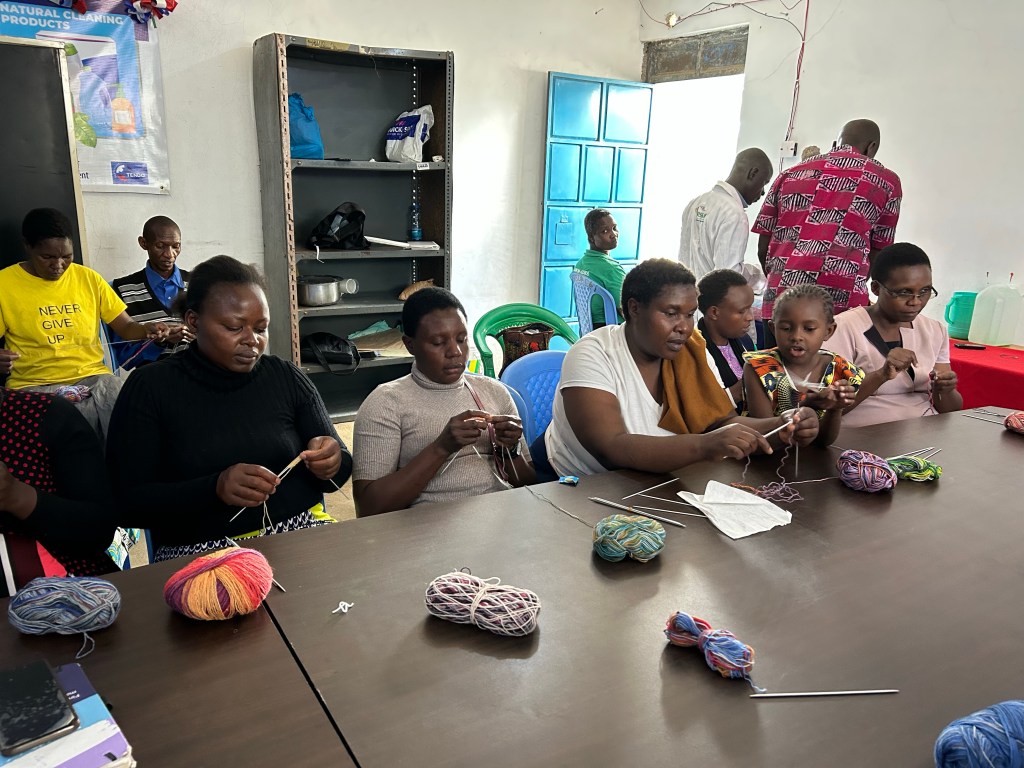
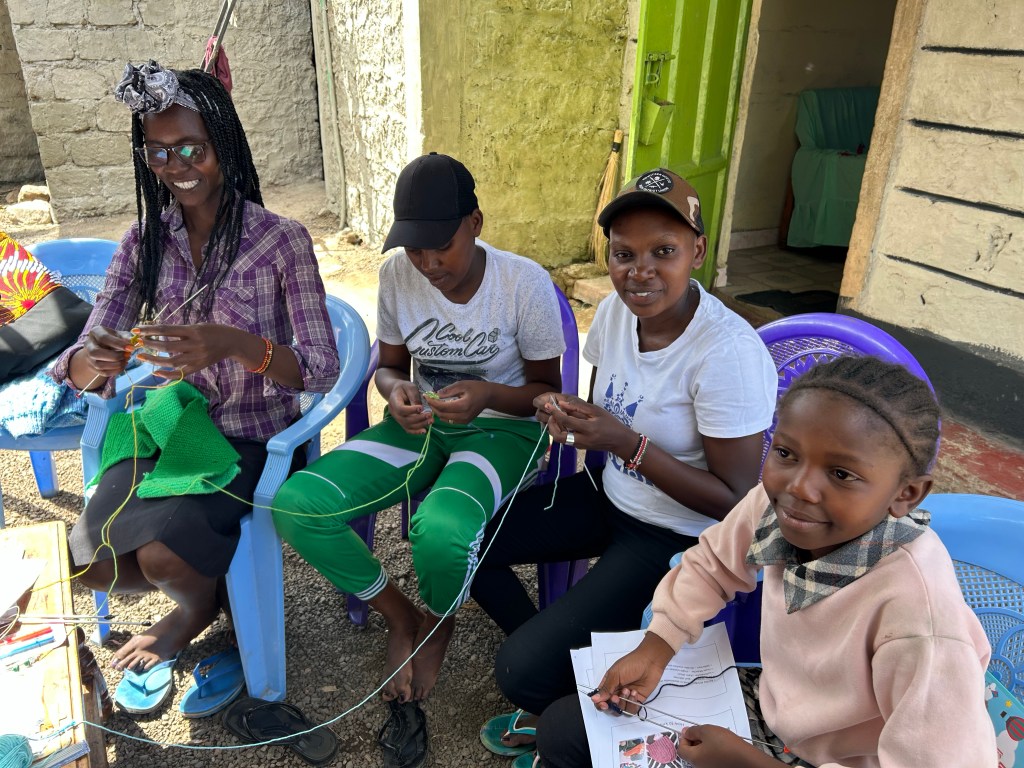
Knitting should make a huge difference, you may ask? Yes, because sitting together, while doing some knitting together with women groups and interested men builds trust and relationships. Among them, but also with you as a change engineer, as someone who wants to do a right project in the right way.
-> Would you easily accept if someone knocks at your door and wants to support you without building trust among the two of you first?
Trust and relationship building first is key. While doing an activity in the communities you want to work with, an activity that many women and even some men like very much, makes a big difference although it might be “unusual”. Could be handcrafts, sports, cooking sessions… it does not matter what, but offer something that people like, something they can easily correspond to as it part of their culture. The benefits?
- you learn so much about how people in underserved communities live and what they experience, what is driving them day by day, where they succeed and where they don’t, what are their dreams and ambitions.
- You will get insights which no survey or research can capture in the same way. What the people tell you is worth much more than every “official” recording or form filling. They don’t answer YOUR questions, but tell you THEIR stories. This makes a big difference!
- E.g knitting together with them is a starting point to understand the real needs and issues and how they are interrelated
- You DO instead of talking first – too many promises never happened or stopped somewhere in the middle. These communities know. You start with something that is tangible right now to them: once they have understood on how to do the stitches and the first success is visible you see how the collaboration change: suddenly there is a lot of energy and positive thinking in the room. The right atmosphere to dive deep and to overcome standard answers and one way communications how it is practiced often with predefined questions in surveys or interviews
- -> do you like to be interviewed about your private issues by a person you do not trust or through a third party?
How the idea started?
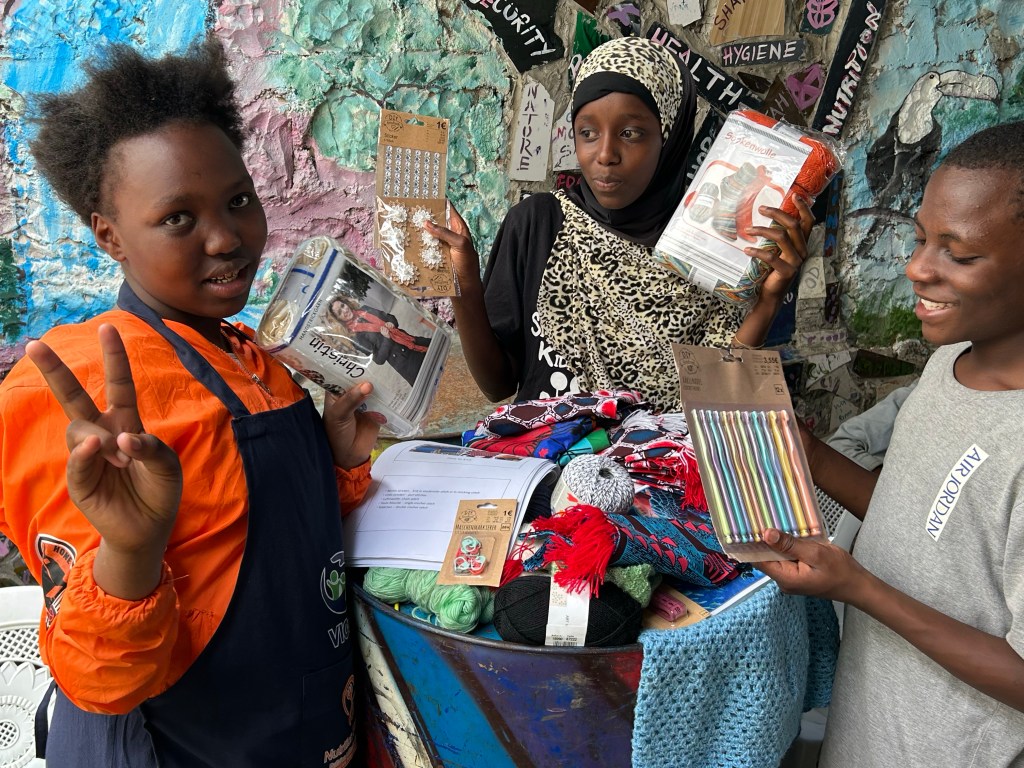
Very simple. As we are running already a lot of different projects with the communities and local NGOs (from health and hygiene trainings to basic business skills, from urban farming to the development of income generating idea they can implement…) it was as simple as asking them if they would be interested to learn on how to knit, promising them to do it together with them during the next visit then a few months later…Then it was my responsibility to collect wool and needles from my colleagues ( many thanks to all of you for all the wool and needles! ) and then just doing it together with them. Promises are promises.
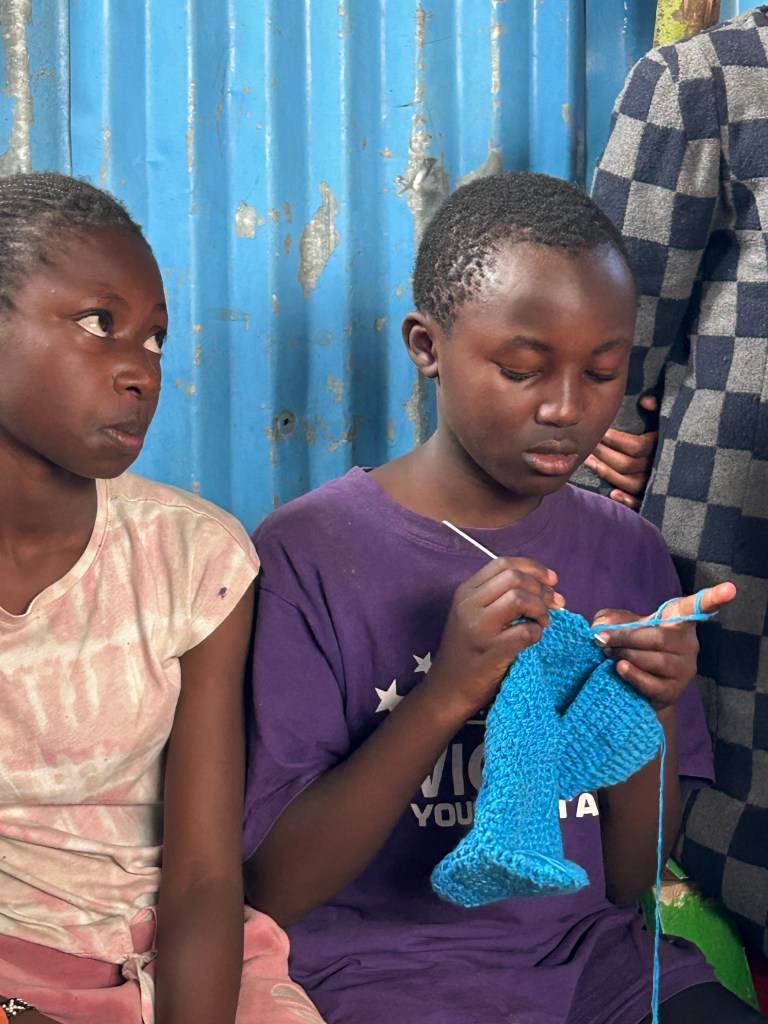
The interesting thing: just based on the first discussions and ideas that we could do some knitting lesson together, some community members had already identified some locals who had some knitting knowledge and had started to produce first knitting pieces. In one of the knitting sessions there were young girls who had even started to do their own designs and a few could already gain some money while selling their arts.
These first success stories are a big driver for women living at the poverty line to learn it, as well.
Others just started to do the first stitch with the first training. With big smiles on their faces and a lot of expectations if they would be able to learn. They made it and enjoyed it very much.
Knitting might be a very traditional way, it might also be considered as secondary when it comes to solve real challenges of people living in informal settlements – but it is for sure a very good way to connect, listen and share experiences with each other. To grow the community support.
-> Isn’t this a good starting point and maybe also something you should do from time to time in between for
- spreading mental well-being among the women
- bringing new skills to the groups
- a huge win for you while integrating what you have learned into the upcoming project plans instead of planning projects from your point of views only?
We shouldn’t put too many resources in doing the right things only, but also start questioning if we do them in the right way.
What do you think?
 Go Kenya, go future!